
 By Nancy Hill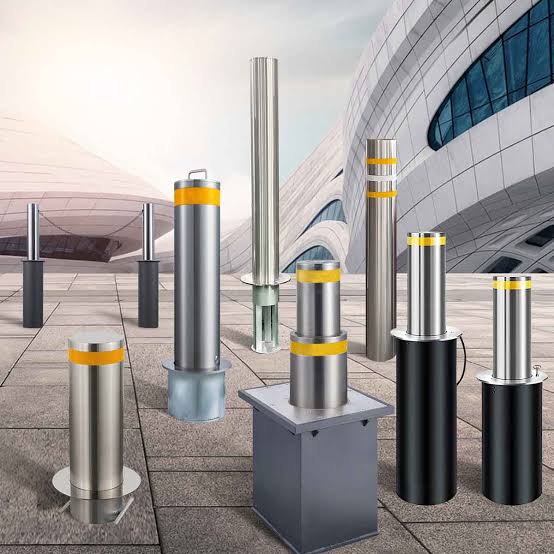
Bollards, the sturdy and often decorative posts found in a variety of urban settings, play a crucial role in enhancing safety and functionality in public spaces. From preventing vehicle access in pedestrian areas to serving as visual guides for traffic management, these resilient structures have become essential in the design of modern infrastructure. They not only contribute to the protection of people and property but also add an aesthetic element, with designs that cater to both practicality and style.
Types of Bollards
Bollards come in various styles and materials, each designed to serve specific functions while complementing the urban landscape. From fixed and removable to retractable and automatic bollards, the choices are vast. Fixed bollards are typically used to prevent vehicle access in pedestrian areas, ensuring safety for foot traffic, while removable bollards provide flexibility for special events. In contrast, retractable and automatic bollards allow for controlled vehicle access, adapting to changing traffic needs without sacrificing security. For those looking to enhance their infrastructure with aesthetic yet functional designs, it’s imperative to buy bollards that meet both practical and visual requirements.
Enhanced Safety Features
The growing emphasis on safety in urban planning has led to the incorporation of advanced bollard designs equipped with innovative technology. Many modern bollards are imbued with features such as LED lighting for improved visibility at night and integrated traffic signaling systems that contribute to better traffic management. Additionally, some bollards are constructed with high-impact materials that can withstand collisions, providing an extra layer of protection for pedestrians and city infrastructure alike. This focus on safety not only enhances the functionality of urban spaces but also fosters a sense of security for the communities that utilize them.
As urban environments continue to evolve, bollards will remain a pivotal element in the design and maintenance of safe, accessible public spaces. Their multifaceted roles—ranging from traffic control to aesthetic enhancement—illustrate the balance between functionality and style in contemporary urban planning. With advancements in technology and design, bollards have transcended their traditional purposes, integrating smart features that bolster safety and convenience. As cities grapple with the challenges of increasing population density and the need for efficient transportation solutions, the innovative use of bollards will likely play a significant role in shaping vibrant, secure urban landscapes that prioritize the well-being of all residents. Ultimately, investing in quality bollards not only reinforces safety measures but also contributes to the overall visual coherence and appeal of urban settings, making them a vital consideration for city planners and developers alike.