
 By Nancy Hill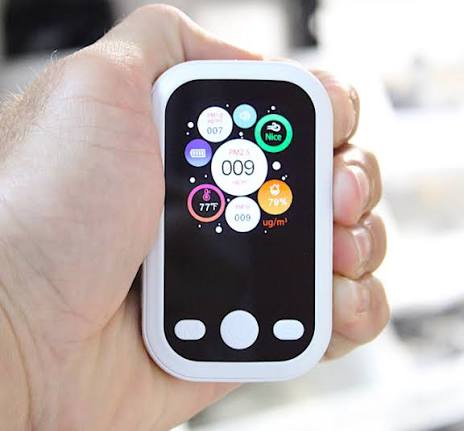
In recent years, the rising popularity of vaping has prompted concerns about its impact on health and the environment, especially in shared spaces like schools and workplaces. As a response, vape detectors have emerged as a pivotal tool for monitoring and managing this new trend. These innovative devices not only help to identify the presence of vape aerosols but also play a crucial role in promoting safer environments, protecting individuals from potential health risks, and enforcing policies against vaping where it is prohibited.
The implementation of vape detectors has gained traction across various sectors, reflecting a growing awareness of the need to address vaping issues proactively. This article will explore the functionality, benefits, and limitations of vape detectors, as well as their effectiveness in curbing vaping habits, thereby emphasizing their significance in contemporary society. By enhancing understanding of these devices, we can better appreciate their role in fostering healthier public spaces and supporting responsible behavior regarding vaping.
Vape detectors utilize advanced sensor technology to detect vape aerosols in the air, enabling them to identify vaping activity discreetly in real-time. These devices are often equipped with alerts to notify administrators or security personnel when vaping occurs, allowing prompt action to be taken in response to policy violations. By integrating seamlessly into existing security systems, vape detectors serve as a proactive approach towards maintaining smoke-free environments in schools, workplaces, and public spaces. Institutions looking for effective solutions can explore options like the vape feuermelder to enhance their monitoring capabilities.
The primary benefits of implementing vape detectors include increased safety, improved air quality, and a clearer adherence to anti-vaping policies. By fostering an environment that discourages vaping, these devices can also contribute to reducing tobacco-related health issues among young people and adults alike. However, limitations do exist, such as the potential for false positives and the need for regular maintenance to ensure accuracy. Additionally, while vape detectors can help in monitoring usage, they alone cannot address the underlying social and behavioral factors driving vaping among individuals, calling for complementary educational and preventive measures.
In conclusion, vape detectors stand as a crucial innovation in the fight against the increasing normalization of vaping in public spaces, particularly in environments where the health and well-being of individuals are paramount, like schools and workplaces. By effectively identifying vaping activity in real-time, these devices facilitate immediate responses and enforce non-vaping policies, thereby contributing to healthier air quality and safer surroundings. While they do possess limitations, such as the need for ongoing maintenance and the potential for false positives, their role in promoting awareness and accountability cannot be understated. As society continues to grapple with the challenges posed by vaping, integrating vape detectors with educational initiatives and support systems will be essential in addressing the root causes of vaping behavior, ultimately fostering a culture that prioritizes health and well-being for all.