
 By Nancy Hill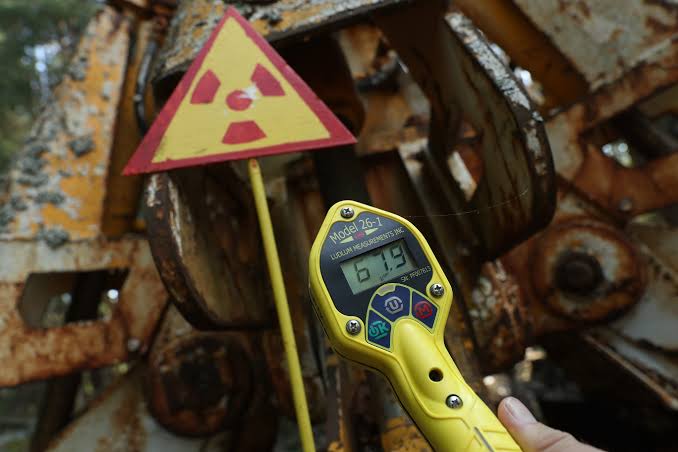
A Geiger counter, a vital instrument in the field of radiation detection, has proven invaluable for measuring ionizing radiation in various environments. Developed in the early 20th century, it employs a Geiger-Müller tube to detect particles emitted from radioactive materials. This versatile device has found widespread applications in numerous fields, ranging from environmental monitoring and nuclear power to medical diagnostics and safety assessments in laboratories. Its ability to provide instant readings makes it an essential tool for scientists, researchers, and safety professionals alike.
As concerns over nuclear safety and environmental radiation levels grow, the Geiger counter continues to evolve, incorporating advanced technologies and digital interfaces for improved accuracy and data management. Whether used in academic research, emergency response situations, or personal safety applications, understanding the principles and functionality of Geiger counters is crucial for navigating the complexities of radiation in our world. This article delves into the working mechanisms of Geiger counters, their historical significance, and their importance in contemporary society.
Working Mechanism of Geiger Counters
The core of a Geiger counter’s functionality lies in the Geiger-Müller tube, which consists of a gas-filled chamber. When ionizing radiation passes through this tube, it ionizes the gas molecules, creating charged particles. These charged particles generate an avalanche of electrons, ultimately leading to a detectable pulse of current. This pulse is then converted into a readable count, indicating the presence and intensity of radiation. Digital Geiger counters have enhanced this process with features such as data logging and real-time digital displays, allowing users to track radiation levels more efficiently.
Applications and Importance in Society
Geiger counters are indispensable across various sectors, including nuclear energy, healthcare, and environmental science. In nuclear power plants, they monitor radiation levels to ensure safety compliance and protect workers and the surrounding environment. Similarly, in medical settings, they help safeguard patients and staff from excessive exposure during procedures involving radioactive materials. For those interested in acquiring their own detection device, exploring the best options available can enhance personal safety and awareness regarding environmental radiation exposure through resources related to the Geiger Counter. As societal concerns about radiation increase, the role of these counters becomes ever more critical in promoting safety and informed decision-making.
In conclusion, the Geiger counter remains a cornerstone in the realm of radiation safety and monitoring, adeptly bridging the gap between scientific inquiry and practical, everyday applications. Its evolution has been driven by technological advancements that enhance not only the accuracy of radiation detection but also the accessibility of data for diverse users, from professionals in high-stakes fields to individuals seeking to understand their environmental exposures. As our awareness of radiation’s impact continues to expand, the Geiger counter’s role in ensuring safety, compliance, and informed decision-making will undoubtedly grow, making it a vital tool in both public health and environmental stewardship. Understanding and utilizing this instrument empowers individuals and organizations alike to navigate the complexities of a world where radiation is ever-present.