
 By Nancy Hill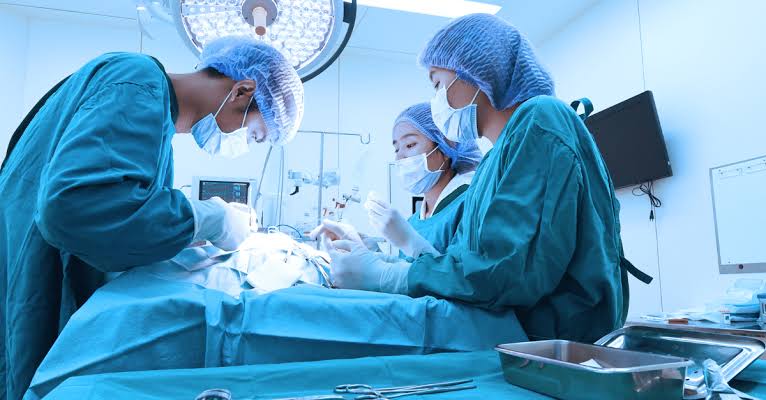
Surgical error, a critical concern in the field of medicine, refers to unintended mistakes that occur during surgical procedures, potentially leading to serious complications for patients. These errors can range from minor oversights to significant procedural failures, and their ramifications can profoundly affect not only the patients’ physical well-being but also their emotional and psychological health. As healthcare continues to advance, understanding the causes of surgical errors and implementing effective strategies to mitigate them is essential for improving patient safety and outcomes.
The complexity of modern surgery, coupled with high-stress environments and the increasing reliance on technology, makes the prevention of surgical errors a paramount challenge for healthcare professionals. This article aims to explore the various types of surgical errors, from wrong-site surgeries to anesthesia mishaps, while examining the systemic factors that contribute to these incidents. By highlighting the importance of communication, teamwork, and continuous education within surgical teams, we hope to shed light on effective practices that can enhance patient safety and foster a culture of accountability in the operating room.
Types of Surgical Errors
Surgical errors can manifest in various forms, each posing distinct risks to patient safety. Wrong-site surgery, where a procedure is performed on the incorrect body part, is one of the most alarming types, often resulting from inadequate communication during pre-operative preparations. Other types include anesthesia errors, which can lead to respiratory complications or awareness during anesthesia, as well as retained surgical instruments that may require further invasive interventions to rectify. Understanding these classifications is vital for healthcare professionals in order to implement targeted preventive measures and reduce the occurrence of these serious incidents. For those impacted by these situations, pursuing justice through legal avenues can be critical, as outlined in the Moseley Collins Law on surgical errors lawsuits.
Systemic Factors in Surgical Errors
The systemic factors contributing to surgical errors are often rooted in organizational culture and the dynamics of surgical teams. High-stakes environments can lead to communication breakdowns, where critical information may not be shared among team members, jeopardizing patient safety. Additionally, the reliance on advanced technology can overwhelm practitioners, resulting in oversight or misinterpretation of data. Fostering a culture of teamwork, where every member feels empowered to speak up and report concerns, is essential in decreasing the likelihood of errors. Continuous education and training in both technical skills and non-technical competencies such as situational awareness and leadership can further enhance the operating room environment, ultimately leading to improved patient outcomes.
In conclusion, addressing surgical errors requires a comprehensive approach that encompasses both individual accountability and systemic reform within healthcare institutions. By recognizing the multifaceted nature of these errors—rooted in communication failures, organizational culture, and the intricacies of surgical practice—medical professionals can better anticipate and prevent adverse incidents. Emphasizing strong teamwork, fostering an environment where staff feel encouraged to voice concerns, and committing to ongoing training and development are crucial steps toward cultivating a safer surgical landscape. As the healthcare industry continues to evolve, prioritizing patient safety and quality care must remain at the forefront, ensuring that surgical errors become increasingly rare and that those affected receive the support and resolution they deserve.