
 By Nancy Hill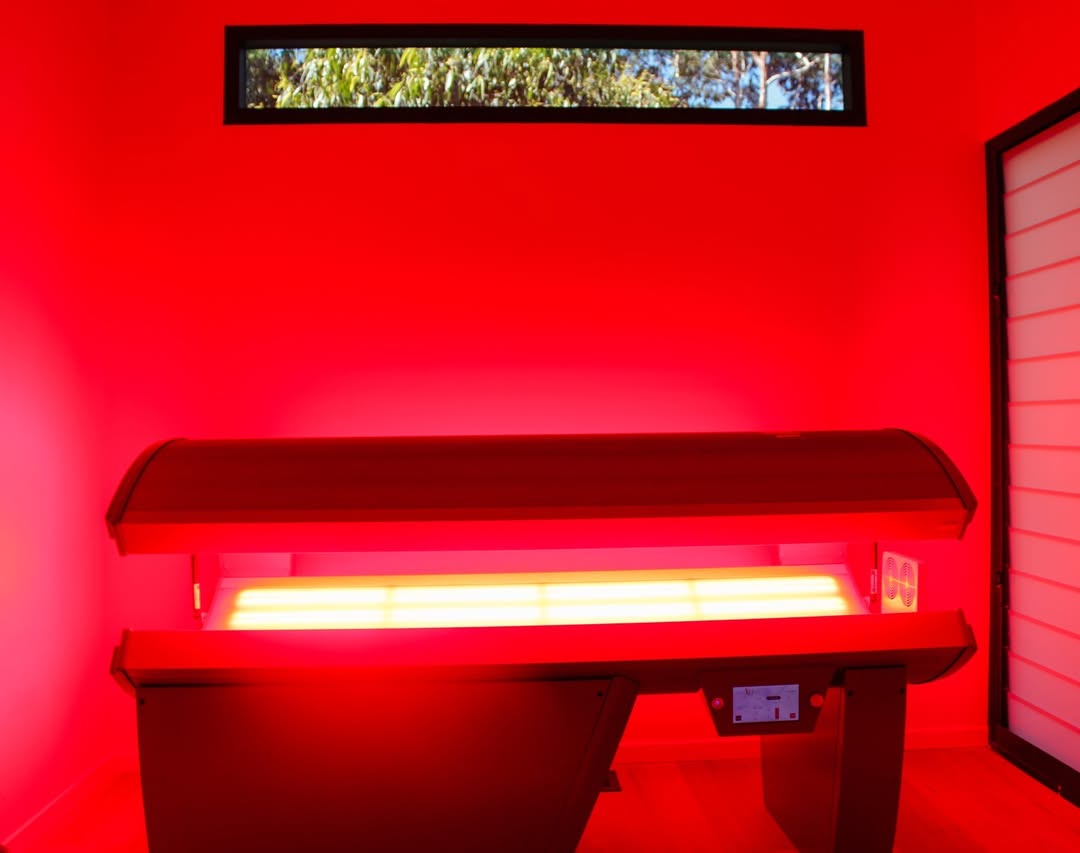
In recent years, full body red light therapy has gained significant attention as a natural and non-invasive treatment option for a variety of health and wellness concerns. Utilizing low-level wavelengths of red light, this innovative therapy aims to stimulate the body’s natural healing processes, promote cellular regeneration, and enhance overall well-being. As more individuals seek alternatives to traditional medicine, red light therapy has emerged as a promising solution for those looking to improve skin health, alleviate pain, and boost energy levels.
This article will explore the science behind full body red light therapy, its potential benefits, and how it can be integrated into everyday health routines. From understanding the mechanisms of action to examining user experiences and safety considerations, this comprehensive overview will provide readers with valuable insights into how red light therapy could revolutionize their approach to self-care and wellness.
Full body red light therapy operates on the principle of photobiomodulation, where specific wavelengths of light penetrate the skin to stimulate cellular activity. This process enhances mitochondrial function, leading to increased ATP production—essentially providing energy to cells. By promoting blood flow and reducing inflammation, red light therapy can accelerate healing and recovery, making it beneficial for conditions such as joint pain, muscle soreness, and various skin disorders. Research indicates that consistent treatments could result in noticeable improvements in skin texture, elasticity, and overall radiance. The convenience and non-invasive nature of Full Body Red Light Therapy makes it an appealing option for those incorporating wellness practices into their daily routines.
Users of red light therapy often report improved mood and energy levels, which can be attributed to enhanced cellular function and reduced oxidative stress. Additionally, the therapy has been shown to mitigate the signs of aging, offering a natural alternative to more invasive cosmetic procedures. While the benefits are promising, it is essential for individuals to use red light therapy responsibly, considering factors such as the duration and frequency of sessions. Consulting with a healthcare professional can provide personalized recommendations and ensure that red light therapy aligns with individual health goals and conditions.
In conclusion, full body red light therapy represents a transformative approach to health and wellness, harnessing the power of light to promote healing and rejuvenation at the cellular level. As scientific research continues to unveil the numerous benefits of this therapy, from enhanced skin health to pain relief and increased energy, it becomes an increasingly attractive addition to holistic health practices. By integrating red light therapy into their routines, individuals may not only experience improvements in physical well-being but also support their emotional health and overall vitality. As with any therapy, informed and responsible use, along with professional guidance, can maximize the advantages of this innovative treatment, making it a valuable tool in the journey towards optimal health.