
 By Nancy Hill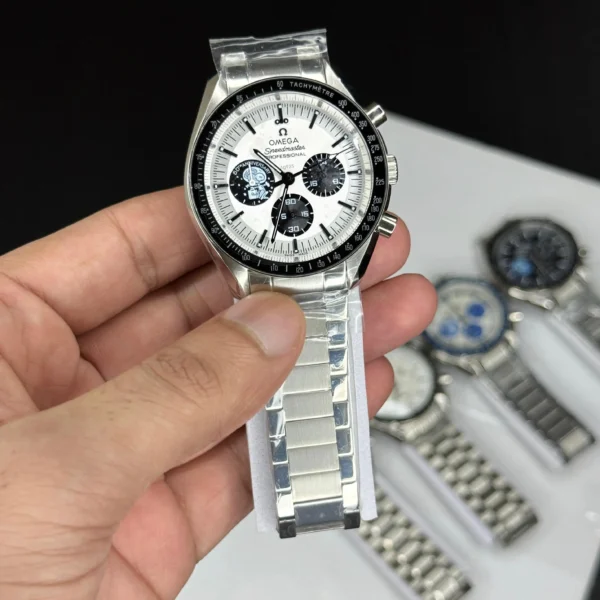
In an era where luxury and affordability often collide, clone watches have emerged as a compelling alternative for those who appreciate sophisticated timepieces without the exorbitant price tags typically associated with high-end brands. These replicas are designed to mimic the aesthetics of prestigious watch models, offering watch enthusiasts a chance to enjoy the look and feel of luxury without breaking the bank. As the market for clone watches continues to expand, understanding the intricacies of these timepieces is essential for consumers seeking quality, style, and value.
While clone watches may raise questions regarding authenticity and craftsmanship, advancements in technology and manufacturing processes have led to the creation of replicas that can closely rival their original counterparts. This article delves into the world of clone watches, exploring their appeal, the ethical considerations surrounding their use, and the fine line between admiration for craftsmanship and outright imitation, all while helping potential buyers make informed decisions in this increasingly popular segment of the watch industry.
Understanding Clone Watch Quality
Despite common perceptions, not all clone watches are created equal. The quality often hinges on the materials used and the precision of the manufacturing process. Many brands have begun integrating advanced technology and craftsmanship techniques that help produce clones intricately similar to their original models. This attention to detail can result in timepieces that not only look authentic but also stand the test of time in terms of durability and functionality. Buyers should invest time in researching reputable sources and brands known for producing high-quality replicas, such as those that specialize in the super clone rolex range, to ensure they are receiving a sophisticated watch that fits their expectations.
The Ethical Debate Around Clone Watches
The rise of clone watches brings an ongoing ethical debate surrounding their acceptance in the watch community. Proponents argue that these timepieces democratize luxury, making stylish and quality watches accessible to a broader audience. Conversely, some critics contend that clone watches undermine the integrity of original craftsmanship and diminish the exclusivity often celebrated within the luxury watch industry. As consumers, it is crucial to weigh these ethical considerations against the desire for affordability, allowing personal values to guide purchasing decisions while acknowledging the fine balance between replica and original in the vibrant world of horology.
In conclusion, clone watches represent a fascinating intersection of luxury and accessibility, offering watch enthusiasts a chance to embrace style and sophistication without the hefty price tag associated with genuine high-end timepieces. While consumers benefit from the artistry and design elements that mimic celebrated models, they must remain mindful of the ethical implications of their choices and the varying levels of quality in the market. As technology continues to evolve, the lines between original and replica will likely blur even further. Ultimately, the decision to purchase a clone watch should reflect an individual’s values and priorities, balancing the appreciation for modern craftsmanship with the respect for authenticity in the ever-evolving landscape of horology.